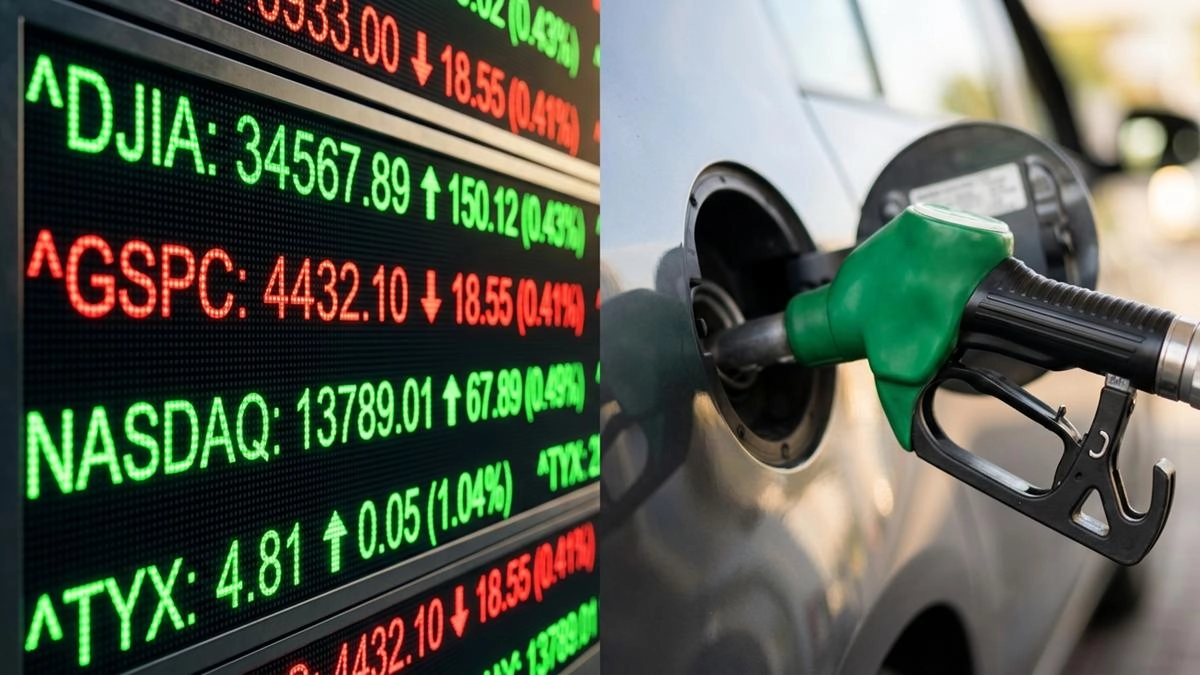
Global economic shifts are sending ripple effects through every sector of the financial landscape. Driven by ongoing military developments in the Middle East and worsening friction across key maritime trade corridors like the Strait of Hormuz, energy prices are rising rapidly. Concurrently, major stock indexes are undergoing sharp adjustments while U.S. Treasury bond yields reach historic multi-year highs.
For everyday consumers and institutional investors alike, these updates represent more than abstract headlines—they signal real changes in household budgets, inflation dynamics, and retirement portfolio performance.
Key Drivers Behind Today’s Market Volatility
Understanding the root causes of current market movement helps clarify where the economy may be headed over the coming quarters. Financial analysts point to three interconnected triggers pushing global markets into turbulent territory:
- Escalating Regional Conflicts: Recent air strikes in energy-producing hubs have renewed severe anxieties surrounding raw crude oil availability and transport security.
- Surging Energy Standards: Brent crude standard prices have broken out past $95 per barrel, pushing fuel costs higher across international domestic pumps.
- Spiking Treasury Yields: Driven by persistent inflation concerns and national debt levels, the 10-year Treasury yield surged toward 4.80%, impacting borrowing and mortgage rates nationwide.
How the Current Shift Impacts Consumers
When crude oil prices climb, the economic consequences do not remain contained within the energy market. Increased fuel expenses flow directly down into transport, supply chain logistical costs, retail goods, and daily essentials.
| Economic Area | Immediate Trend | Consumer Impact |
|---|---|---|
| Gasoline & Heating | Upward pressure | Higher monthly out-of-pocket transportation and utility costs. |
| Consumer Credit & Loans | Elevated interest rates | Increased monthly payments on adjustable mortgages, auto loans, and cards. |
| Stock & Tech Investments | Short-term retreat | Portfolio drawdowns in high-growth tech shares like Nvidia and Amazon. |
3 Strategic Steps for Investors to Take Now
Navigating volatile economic conditions requires proactive adjustments rather than emotional reactions. Financial advisors generally recommend three steps to keep your finances resilient during energy spikes and market pullbacks:
- Rebalance Asset Allocation: Review portfolio exposure to energy-dependent consumer sectors and evaluate defensive assets that historical economic cycles show perform well under inflationary pressures.
- Lock In Fixed Credit Rates: If holding variable-rate debt, look into refinancing or consolidating under fixed terms before higher government bond yields push consumer borrowing rates further upward.
- Maintain a Liquid Emergency Cushion: Ensure liquid cash savings cover 3 to 6 months of essential living costs to offset rising gas and grocery prices without needing to sell investments at a discount.
Looking Ahead
While dynamic geopolitical shifts continue to influence commodity prices, keeping a close eye on global economic policy and central bank signals will remain essential for staying ahead of broader financial trends.
